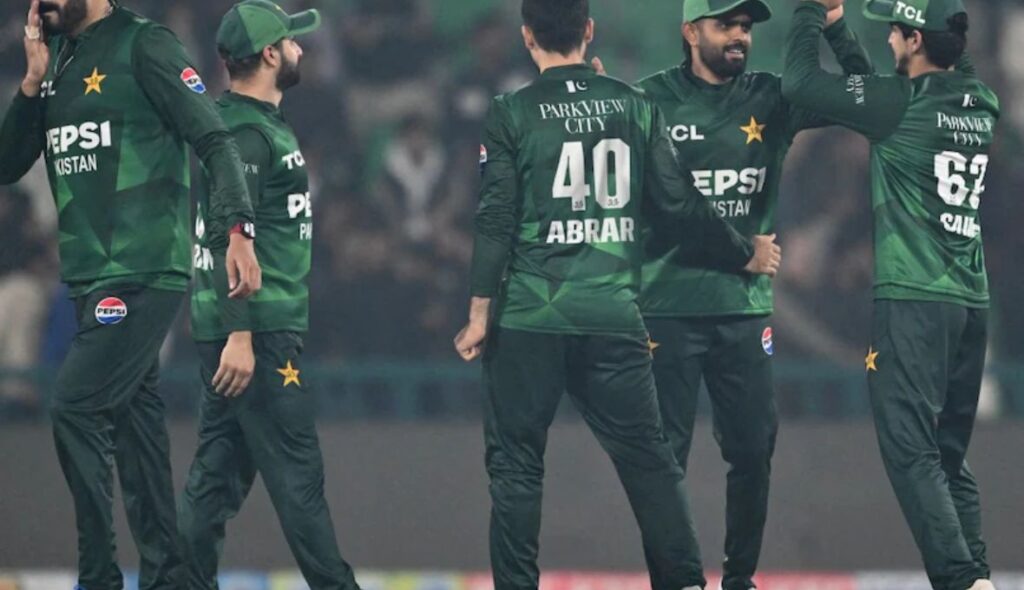

The build-up to the T20 World Cup has once again been overshadowed by political tension, bold statements, and explosive claims. In the latest controversy to rock international cricket, a former Pakistan cricketer has alleged that Pakistan are “scared” of facing India, reigniting the debate around Pakistan’s reported reluctance and boycott-style stance when it comes to matches against India in global tournaments. [FairPlay]
As cricket fans across the world await clarity, the remarks have added fuel to an already heated rivalry between India national cricket team and Pakistan national cricket team—a rivalry that transcends sport and enters the realms of politics, diplomacy, and national pride.
This article breaks down the controversy, the context behind the boycott claims, reactions from cricketing circles, historical rivalry, ICC’s position, and what it all means for the upcoming T20 World Cup.
What Triggered the Pakistan–India T20 World Cup Controversy?
The controversy erupted after an ex-Pakistan star made a blunt statement during a televised discussion, claiming that Pakistan’s repeated concerns over logistics, venues, and security were nothing more than an excuse—suggesting fear of facing India on the biggest stage.
The statement instantly went viral, especially on social media, where fans and experts debated whether Pakistan’s stance was based on genuine concerns or psychological pressure stemming from India’s recent dominance in ICC events.
The timing of the comments is crucial. With the T20 World Cup schedule under intense scrutiny, any uncertainty regarding marquee India-Pakistan clashes threatens not only the sporting spectacle but also broadcasting revenues and fan engagement worldwide.
Is Pakistan Really Boycotting India in the T20 World Cup?
While the word boycott has been widely used, officially Pakistan has not announced a complete boycott of India in the T20 World Cup. However, repeated demands for neutral venues, schedule changes, and security guarantees have raised eyebrows.
Critics argue that:
- Similar concerns were not raised as strongly for other teams
- Pakistan has toured multiple countries with comparable security conditions
- The objections intensify only when India is involved
Supporters of Pakistan’s stance counter that:
- Political relations between India and Pakistan are unique
- Government approvals play a major role
- Player safety must be prioritised above all else
Still, the former cricketer’s statement has shifted the narrative from diplomacy to mental pressure and on-field confidence.
“Scared of India?” — Analysing the Ex-Pak Star’s Claim
Calling Pakistan “scared” is not a small allegation in a rivalry defined by high-pressure encounters. Historically, Pakistan has been one of the few teams capable of unsettling India in ICC tournaments.
However, in recent years, the balance has shifted:
- India have dominated Pakistan in T20 World Cups
- Pakistan’s wins have been fewer and far between
- Pressure games have often gone India’s way
The ex-Pak cricketer suggested that:
- Fear of another high-profile loss is influencing decision-making
- Administrative excuses are masking on-field insecurities
- Pakistan cricket lacks stability going into the World Cup
These comments, while controversial, have found support among some former players and analysts who believe Pakistan cricket is currently struggling with confidence and consistency.
India vs Pakistan: A Rivalry Bigger Than Cricket
Few sporting rivalries match the intensity of India vs Pakistan cricket. Every encounter draws hundreds of millions of viewers and becomes a cultural event.
Why This Match Matters So Much:
- Political history adds emotional weight
- Fans treat victories as national achievements
- Players face unmatched pressure
- Media scrutiny is relentless
Because of this, any suggestion of avoidance—intentional or otherwise—becomes headline news.
For the ICC and tournament organisers, India vs Pakistan is often the financial backbone of a World Cup, making uncertainty deeply problematic.
Pakistan’s Recent Form and Confidence Issues
One reason the “fear” narrative has gained traction is Pakistan’s inconsistent performances in recent ICC tournaments and bilateral series.
Key concerns include:
- Frequent changes in team leadership
- Unsettled playing XI
- Injury concerns among key players
- Batting collapses under pressure
While Pakistan remains unpredictable and dangerous on its day, critics argue that the team lacks the mental toughness required for crunch matches against top sides like India.
This context makes the ex-player’s remarks feel less sensational and more reflective of internal issues.
India’s Dominance in Recent ICC Events
India’s strong performances across formats have only intensified the debate.
In recent years:
- India have consistently reached knockout stages
- Their T20 depth is among the strongest in the world
- Fitness, analytics, and bench strength set them apart
Facing India in a World Cup now means confronting:
- A settled leadership group
- Explosive batting line-ups
- Multiple match-winning bowlers
This reality may subconsciously influence Pakistan’s approach, even if officials deny it.
What the ICC Says About the Situation
The International Cricket Council (ICC) has maintained a neutral stance, emphasising that:
- The T20 World Cup will proceed as scheduled
- Member boards must honour commitments
- Any changes will be based on official channels, not media speculation
Privately, however, ICC officials are aware that losing an India-Pakistan clash would be a major blow to the tournament’s commercial and sporting value.
The ICC has historically worked behind the scenes to ensure that political tensions do not derail marquee contests.
Reaction From Fans and Cricket Experts
Social media has been ablaze since the comments surfaced.
Indian Fans:
- Accused Pakistan of “ducking” the challenge
- Highlighted India’s recent wins
- Called for strict ICC enforcement
Pakistani Fans:
- Defended their team’s honour
- Criticised the ex-player for “selling narratives”
- Emphasised political and security realities
Cricket experts remain divided, with some calling the remarks irresponsible, while others praise the honesty and demand introspection within Pakistan cricket.
Political Undercurrents and Cricket Diplomacy
India-Pakistan cricket has long been shaped by politics. Bilateral series have been suspended for years, leaving ICC tournaments as the only battleground.
Key realities:
- Government approvals influence tours
- Cricket boards operate under political pressure
- Players often become collateral in diplomatic standoffs
Because of this, even genuine logistical concerns are often interpreted through a political or psychological lens.
Impact on the T20 World Cup Schedule
Uncertainty around India-Pakistan fixtures affects:
- Ticket sales
- Broadcast planning
- Sponsorship deals
- Fan travel plans
Tournament organisers typically place India-Pakistan matches at prime slots, knowing their unmatched viewership potential.
Any last-minute changes would cause logistical chaos, making clarity crucial in the coming weeks.
Can Pakistan Silence Critics on the Field?
Ultimately, the only way to end speculation is performance.
If Pakistan:
- Faces India head-on
- Competes aggressively
- Delivers a strong showing
Then narratives around fear and avoidance will fade instantly.
Cricket history has shown that Pakistan thrives when written off. A strong World Cup campaign could turn criticism into praise overnight.
What This Means for Cricket Fans
For fans, this controversy adds another layer of drama to an already anticipated tournament.
Whether the comments were fair or inflammatory, they have:
- Intensified anticipation
- Increased pressure on players
- Ensured global attention on the fixture
An India-Pakistan clash under these circumstances would be one of the most watched T20 matches ever.
Final Thoughts: Fear, Politics, or Mind Games?
Is Pakistan really scared of facing India? Or is this just another chapter in cricket’s most complex rivalry?
The truth likely lies somewhere in between:
- Political realities are undeniable
- Confidence issues exist
- Mind games are part of elite sport
What remains certain is that the cricketing world is watching closely. When the T20 World Cup begins, excuses will end—and performances will speak louder than words.
One match, one result, could redefine the entire narrative.